Regulating the Giants: The Promise of the Digital Markets Act
Stay compliant, stay ahead with the Digital Markets Act. We explain the regulation’s impact on businesses and consumers, and show strategies for you to…



The Digital Markets Act (DMA) has become a focal point of discussions, not only in Europe. However, opinions vary on whether it strengthens competition among companies or diminishes their online visibility. In this article, we delve into what the new regulation entails and its implications for your business.
What Is the Digital Markets Act?
The Digital Markets Act (DMA) is a regulation crafted to ensure fair and competitive online trade. Adopted by the European Commission in September 2022, it officially took effect in May 2023.
With the DMA, the European Parliament and the Council of the European Union aim to curtail the monopoly of GAFAM. The objective is to prevent large tech companies from abusing their market power.
What is GAFAM?
GAFAM is an acronym for the world's largest tech companies: Google, Amazon, Facebook, Apple, and Microsoft. But since Facebook is now called Meta, the new acronym is GAMAM. Other terms commonly used for these major players include Big Tech or Big Five.
One regulatory measure is the designation of large online platforms as "gatekeepers”. These have been accused of hindering free competition by promoting their own offerings and making other companies dependent on them.
Companies are considered gatekeepers if they, over the last three fiscal years:
- have a strong economic influence in the digital market,
- are used by many companies,
- are active in multiple EU countries.
To mitigate their dominant position, gatekeepers are now subject to stricter regulations.
Impact of the Digital Markets Act (DMA) for Businesses
Embracing the Digital Markets Act (DMA) unlocks a myriad of benefits for multi-location businesses, promoting fairness, transparency, and growth in the competitive landscape of online marketing.
1. More Fairness
With the DMA, all market participants have equal opportunities in online trade—because gatekeepers are no longer allowed to favor their own offerings by, for example, preselecting search results.
2. More Transparency
Through the DMA, companies gain access to the data generated on gatekeeper platforms. That way, they can make informed choices based on insights into product or service performance, consumer preferences, and behaviors.
3. More Certainty
With the new regulation, companies receive clear guidelines for dealing with gatekeeper platforms. This means an end to unilateral terms and conditions—because commercial users have rights, and gatekeepers have obligations.
Gatekeepers must, for example, enable companies to:
- promote their offerings and engage in independent advertising
- conclude customer contracts outside the platform
Conversely, Gatekeepers are no longer allowed, among other things, to:
- favor their own products or services in terms of order
- prevent consumers from reaching companies outside the platform
These regulations are in the interest of both commercial and private users.
Impact of the Digital Markets Act (DMA) for Consumers
For end consumers, the Digital Markets Act (DMA) marks a pivotal moment, too, with enhanced protection, greater choices, and heightened data security.
1. More Consumer Protection
The Digital Markets Act restricts the monopolistic position of the largest online platforms, ensuring fair competition that leads to lower consumer prices. Additionally, the new regulation prohibits unfair practices such as manipulative advertising to protect users from disinformation, and such.
2. More Data Security
The DMA restricts the use of "Terms and Conditions," giving consumers more control over their data. Specifically, gatekeepers will need explicit consent from users and may only use data in a product-related manner. For example, Meta is not allowed to use user data from Facebook for advertising on Instagram.
3. More Choice
The Digital Markets Act gives users the opportunity to use—and switch easily between—alternative search engines and platforms. Additionally, they can delete pre-installed apps, which is intended to prevent unfair competition.
How Does the Digital Markets Act Affect Google?
The European Commission has designated Google as a gatekeeper under the Digital Markets Act (DMA). Google, on the other hand, states to acknowledge the requirements and make changes to its products /services to provide users with more choices and control.
As Google develops compliance solutions, it emphasizes the collaboration with the European Commission and stakeholders to offer safe products while maintaining a positive user experience. Generally speaking, adjustments aim to restore the balance between the largest online platform and other directories, websites, and the like. So we think that the visibility of Google business profiles may decrease. As a result, local landing pages may receive more online traffic.
What Changes in Google Search?
The most significant impact, for users, is that the Google Maps widget isn't clickable anymore;because Google isn't allowed to prominently position its own services on search engine results pages. Hence, Google is testing a new search results display for a select group of EU users, focusing on queries related to products, restaurants, flights, and hotels.
The updated interface introduces options for users to choose between results from price comparison sites, like Booking.com, and direct links to supplier websites. For instance, when searching for flights, users can filter results to view either airline options or flight sites. Similarly, for restaurant searches, filters allow users to see places or related sites.
Flight Searches
Airline Options: This tab displays direct links to airlines, enabling users to book flights without intermediaries.
Flight Sites: This tab showcases results from flight comparison websites, offering users a range of booking options.
Restaurant Searches
Places: This tab provides direct information about establishments, such as addresses, contact details, and reviews.
Place Sites: This tab lists related websites, including review platforms and reservation services, offering additional perspectives and booking options.
These changes aim to provide users with a balanced view of direct providers and intermediary platforms, enhancing transparency and choice in search results.
Choice screens and additional consent for linked services
Other changes will allow Android phone owners to easily switch their default search engine or browser and users of Google services and products to move their data to a third-party app or service. Meanwhile, European users will see an additional consent banner to ask them whether some Google services can continue to share data targeted ads.
What Changes in Google Local Search
Google had already implemented changes before the Digital Markets Act took effect in March 2024, so we can now look back at more than a year of adjustments—though there’s still much to explore.
1. Google 3 Pack
The Google 3-Pack still appears on top of search engine results pages (SERPs), but for searches like “supermarket,” a “place sites” section is displayed right beneath it, featuring alternative business directory websites—competing for clicks.
2. Product Carousels
Product carousels are more likely to appear further down in the search results, sometimes only after up to three website results; or even at the end of the page. Moreover, a click will open another in-tab window, displaying products in that category stocked by different retailers.
3. See What’s In Store/What People Asked/People Also Search For
“See What’s In Store” as well as “what people asked” / “people also searched for” moves down on the search engine results page, spreading out over sections in-between other results from the web (making space for “places”).
How can I prepare for the Digital Markets Act?
As the Digital Markets Act takes center stage, companies can proactively prepare by optimizing their online presence.
Tip 1: Optimize Your Google Business Profile
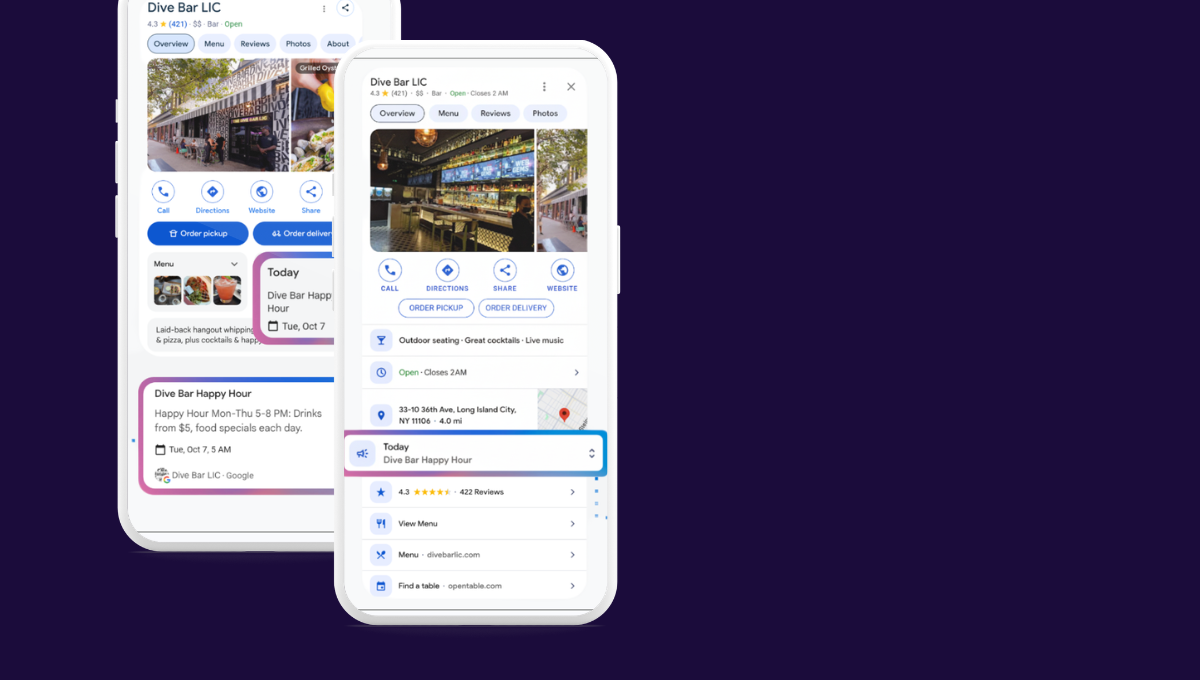
Ensure a compelling first impression by optimizing your Google Business Profile. Complete all relevant information, use high-quality visuals, and encourage positive customer reviews. This not only enhances your online visibility but also boosts local SEO, making it easier for potential customers to find and choose your business.
Tip 2: Expand Your Online Presence
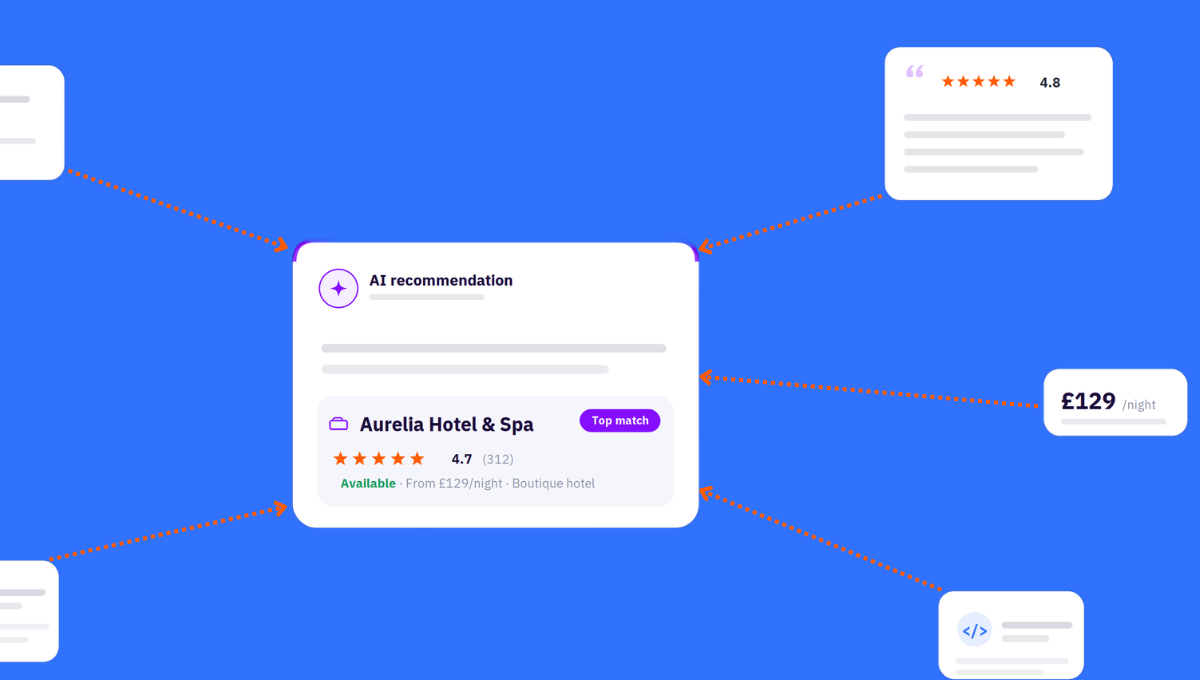
Go beyond the limitations of a single platform by diversifying your online presence. Be visible on various networks relevant to your industry. Consistently update and monitor information on crucial online directories, ensuring that your business maintains a robust and accurate presence across the digital landscape.
Tip 3: Build Local Landing Pages
Capitalize on DMA opportunities by creating local landing pages. Tailor these pages to specific geographic areas, providing potential customers with all the essential information they need. This strategic approach not only drives more online traffic but also increases the likelihood of offline conversions, contributing to overall business success.
What Sanctions Do Companies Face For Not Complying With the Digital Markets Act?
The Digital Markets Act holds substantial significance for the European Union, posing potential fines and penalties for companies; though these hinge on the accurate interpretation and enforcement of regulations.
Despite skepticism from tech giants like Google and Apple—who argue that the DMA may impede data security and innovation—the act undeniably marks a significant stride toward fostering fair and transparent e-commerce. If you aim to proactively prepare for its implications, our team is ready to provide you with the essential tools for your online marketing strategy.



1.800 brand si affidano a noi per restare visibili
– non solo comparire una o due volte nella ricerca locale.