Curious But Cautious about AI: The New Consumer Search Behavior
Read our latest report insights about consumer search behavior in the US, UK, Germany & France. What drives them to businesses & what drives them away?


You can browse the web for the latest insights into consumer search behavior since the advent of AI — or you can get Google or ChatGPT to crawl that data for you.
This online data might give you a rich story, but humans still tell us the richest, most relevant stories.
That’s why we asked more than 2,000 customers across the US, UK, France, and Germany how they currently search online and what drives them through the doors of local businesses — and what keeps them away.
We’ve summarized the five main takeaways from our latest report to help you reassess or reflect on where your local marketing strategy lies. Dive deeper into the data by downloading the report here.
1. Nearly All Business Visits Start Online
This finding isn’t surprising. 91% search for local businesses “always,” “often, or “sometimes.” 0% said “never.”
What’s more: Most consumers — more than three in four — are still using Google before visiting a business, so well-optimized websites and listings are still a crucial part of the discovery journey.
What does this tell us? It’s not enough to rely on your offline presence and word of mouth marketing. While you may get walk-ins, you’re missing the high-intent consumers who search first and look for the top-rated restaurant or check store opening hours before they even arrive. That’s why efficient listing management, locator pages, and a strong online presence are nonnegotiable.
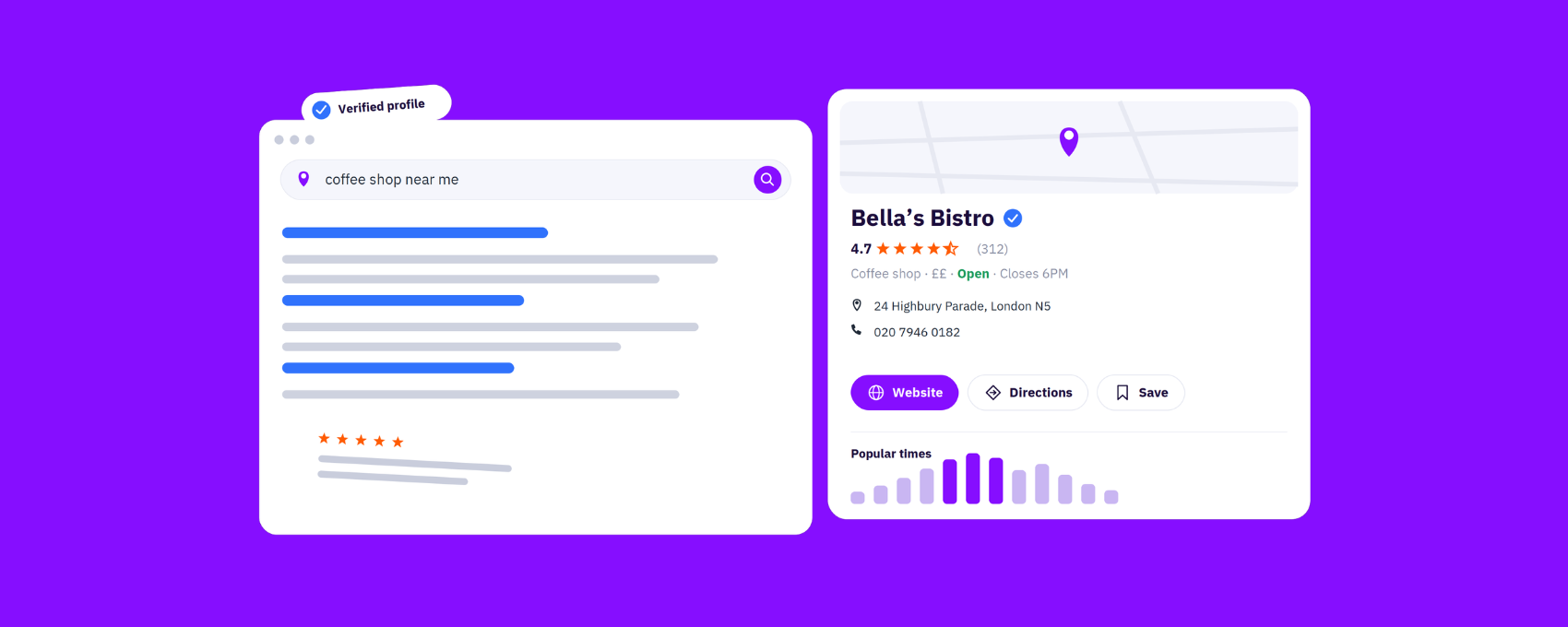
And just to iterate this, we asked Lisa Landsman, Global Business Development, at Google for her advice to local businesses: “At Google, we see 5x more views for regularly updated Business Profiles, so we recommend not only filling out your listing but also updating it to share what makes you unique.”
2. The Sales Cycle Can Be as Short as One Week
Customers are more selective than they have ever been, but sales cycles can be as short as one week if local businesses do the right things.
Our report tells us that 85% of consumers visit a local business within a week of discovering that business online. More impressively, 17% visit the next day. This tells us that your local marketing strategy must be built for immediacy — customers need to find relevant, accessible information that directly answers their query. That’s what seals the deal.
And what we love to see is that the sales cycle doesn’t necessarily conclude after the first purchase — 80% of consumers say they are likely or very likely to return after positive experiences at brick-and-mortar businesses. A successful local marketing strategy will therefore focus on optimizing customer acquisition and retention both online and offline to maximize engagement and ROI.
That’s where Location Performance Optimization (LPO) enters the picture. It’s a new approach designed by Uberall to help multi-location businesses connect their digital presence to real-world revenue. LPO empowers local businesses to drive measurable revenue impact at every location by focusing on four elements:
- Visibility
- Engagement
- Reputation
- Conversions
Focusing on these areas is the only way, in our opinion, that marketing teams can stay focused and clear on their goals among the latest changes in search, with AI search. LPO is all about making incremental improvements across various channels and locations to attract customers, increase in-store visits, foster loyalty, and boost revenue — and this is all measured in one dashboard.

3. Users Often Buy When They Engage Online
Straight out of the gate, reviews, service details, and location drive most purchase decisions — this is what our online consumer behavior findings tell us.
If we dive a bit deeper, 51% of consumers claim that reading reviews is the first thing they do when they search for a local business. This is followed by 42% who visit a business website. Both are critical trust signals that shape perception and influence intent.
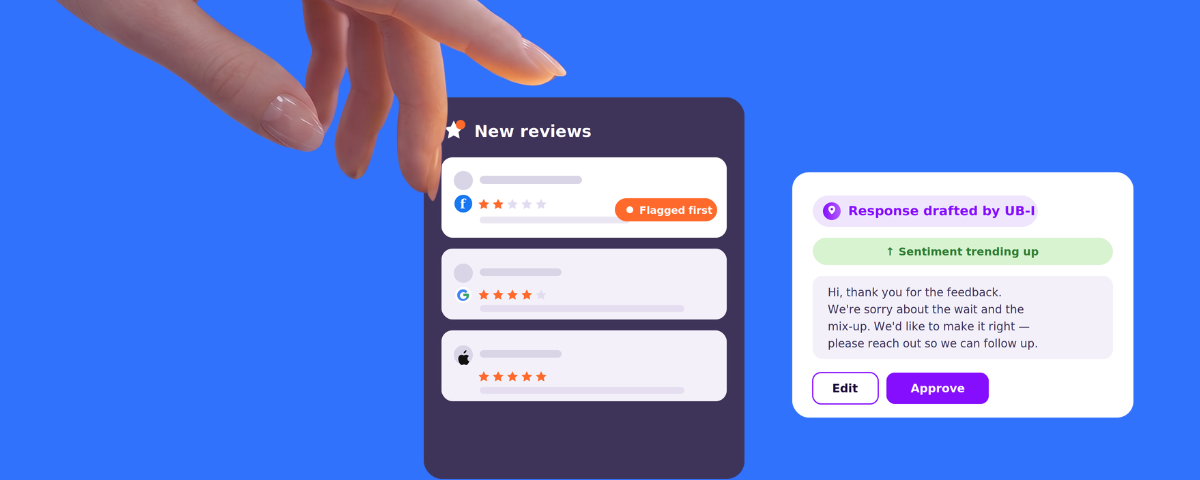
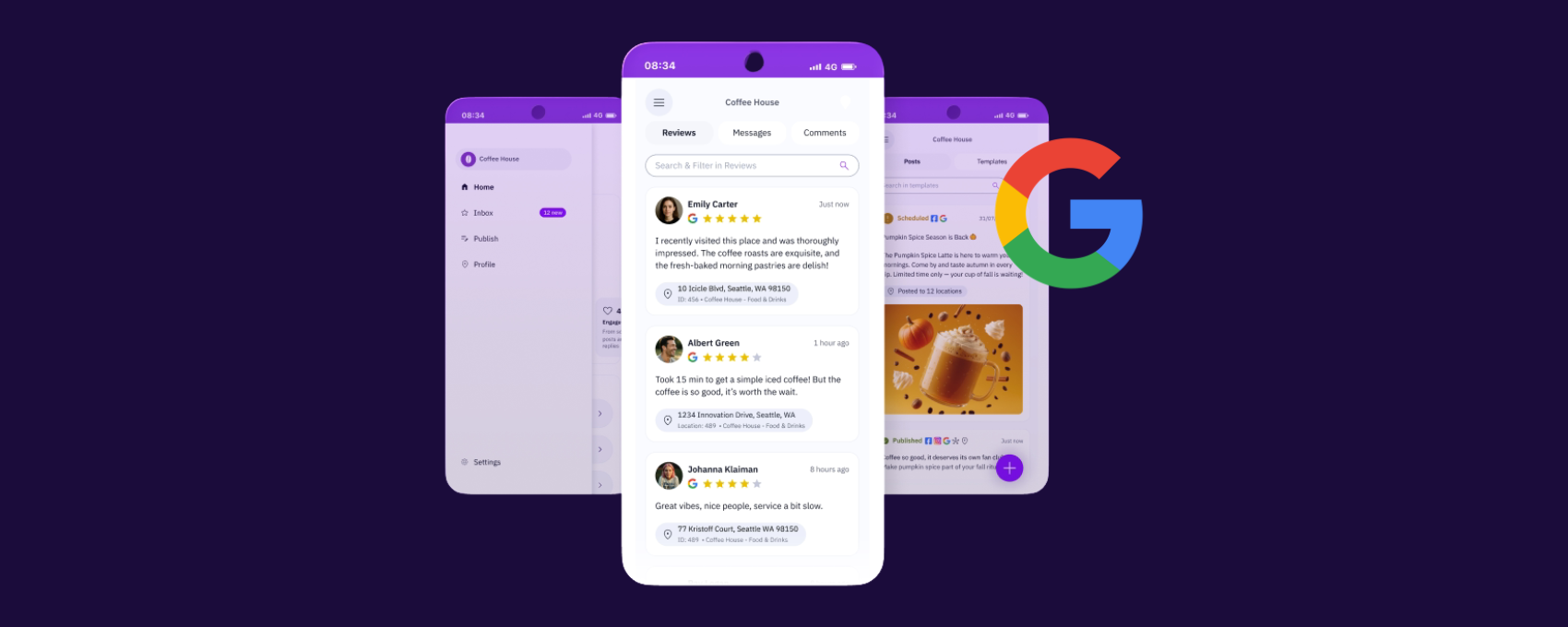
So, marketing teams should prioritize a healthy and compelling website, as well as a healthy review response volume and answer rate. Remember: In most cases, customers are not looking for perfect five-star reviews but for a business that genuinely cares about its customers.
Beyond reviews and your website, think of leaving as many breadcrumbs — reviews, brand mentions, listings, images, videos, social media posts — leading to your front door as possible. The more curious and confident you make your customers, the more likely they’ll arrive at one of your locations.
4. AI Tools Are Fourth Most-Used in Local Search
We know this is the finding you’ve probably been most curious about.
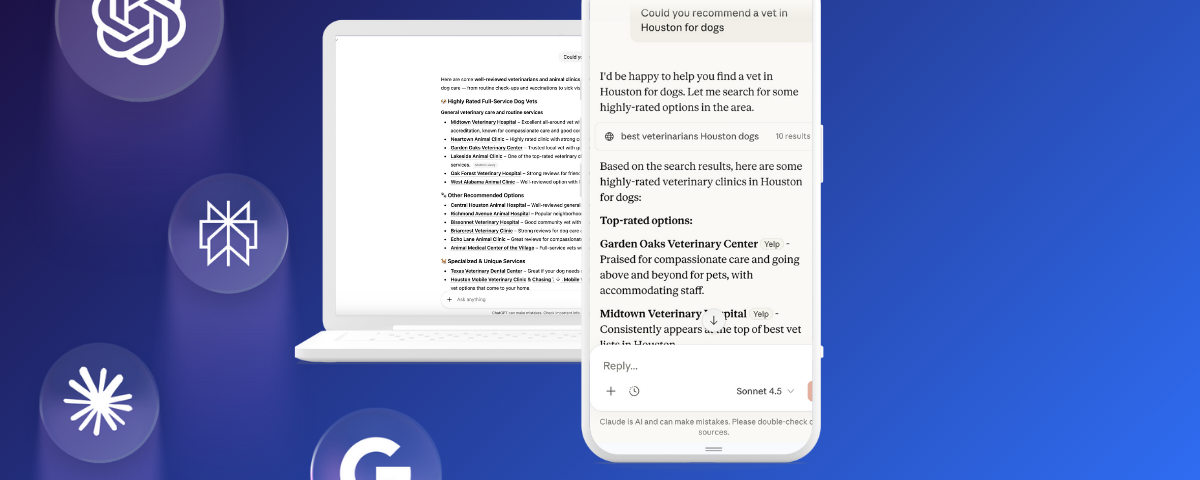
Here’s the biggest update when it comes to today’s consumer search behavior: 19% of consumers are using AI tools like ChatGPT and Gemini to find local businesses. But do these AI summaries lead to visits or conversions? Not necessarily — fewer than 10% of consumers said an AI-powered recommendation influenced their most recent visit to a local business.
Our report shows that usage is higher in the United States than in other markets: Almost one in four American consumers prefer AI tools to search for local businesses compared to an average of less than one in five across all the countries we surveyed.
Tools like ChatGPT, Claude, Perplexity, and Gemini are steadily becoming part of the consumer journey — and they represent the future of location marketing. It’s impossible to ignore, and we don’t recommend you try.
While adoption doesn’t yet equal trust, our experts strongly advise multi-location businesses to double down on conventional trust signals — especially, reviews and clarity. Identify which generative engine optimization (GEO) tactics are missing from your current strategy and start implementing them now.
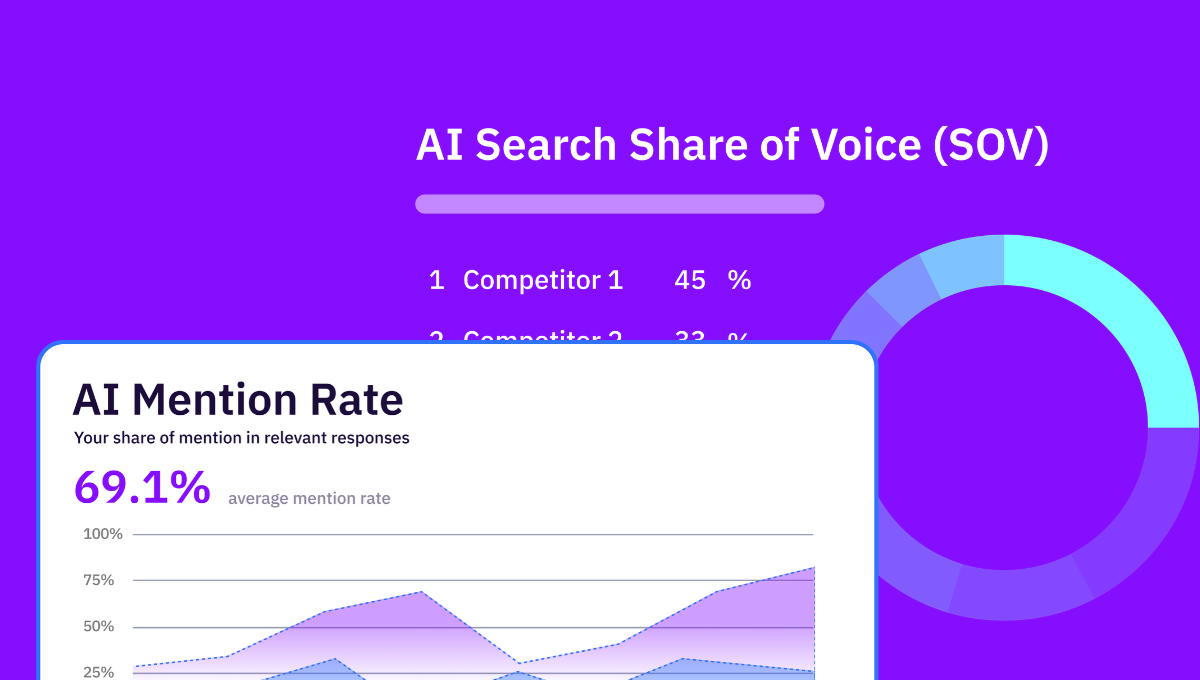
Smart, next-generation marketers will also understand that AI visibility tools must come into the picture today, so they can monitor how their businesses show up in AI-generated summaries and take action where needed.
Be AI-Ready — Because Your Customers Are
Just like your customers are curious about how AI could help them with their online queries, you should be curious about how AI understands your business.
That means doubling down on creating clear and consistent signals and messaging across your owned and earned channels with:
- Clear, structured business information that’s machine-readable
- Clear proof of customer care
- Clear social proof
- Clear call to actions
And this across all locations.
Read our full consumer search behavior report for practical expert insights and advice on where your local marketing strategy will make the biggest impact — in the next year and beyond. Or use our expert-built tools to help drive impact with this new search landscape.


1,800 brands trust us to stay visible
— not just show up once or twice in local search.


.png)
