Holiday Marketing Tips for Multi-Location Businesses over the 2025 Christmas Season
The year’s biggest shopping days are coming earlier this year. We present to you the art and science of Christmas marketing.



The temperatures — and the year — wind down, marketing and sales teams everywhere are racing to wrap up those year-end targets. But across retail and restaurants, winning over customers’ trust and wallets seems tougher than it was just a few years ago.
According to McKinsey, “many shoppers are approaching the holidays with caution and practicality, adjusting their budgets and habits accordingly.” With inflation still top of mind, consumers aren’t necessarily spending less; they’re choosing carefully which brands make it onto their “nice” lists.
And yes, today’s customer journey is messy. It’s unpredictable, non-linear, and driven by convenience. One minute consumers are browsing a gift guide on TikTok or asking ChatGPT for recommendations, the next they’re checking Google Maps to see where your store is and if it’s still open. But if you’re ready to embrace that chaos and meet them wherever they are, there’s real opportunity to drive both short-term sales and long-term loyalty.
Even with tighter budgets, smaller teams, and higher expectations, you can still win with a holiday marketing strategy that connects visibility, engagement, and conversion — delivering business impact across every channel and location.
Seamless Discovery: Be Found Everywhere Consumers Look
Today’s shopping experience is everywhere — online and offline, through word-of-mouth, word-of-AI, images, and video. Sometimes purchases happen in a moment; others take weeks. And as a marketer, it takes real focus to optimize across all these possibilities.
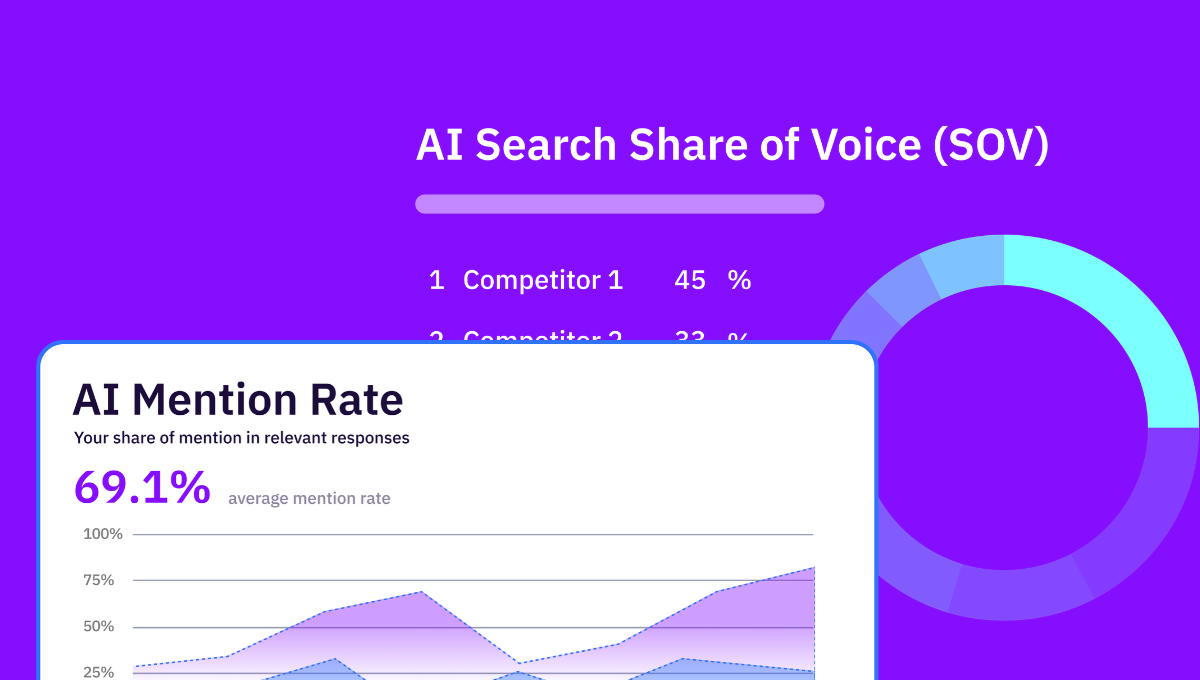
But no matter how customers discover your business, one thing never changes: Before they buy, customers have to find you. And this year, AI-driven discovery will play a big role in how that happens.
Nearly 60% of consumers today now use Gen AI to discover new products — but they’re not abandoning traditional search channels just yet. That’s why your listings management remains a gift that keeps on giving as consumers move between traditional and AI search this holiday season.
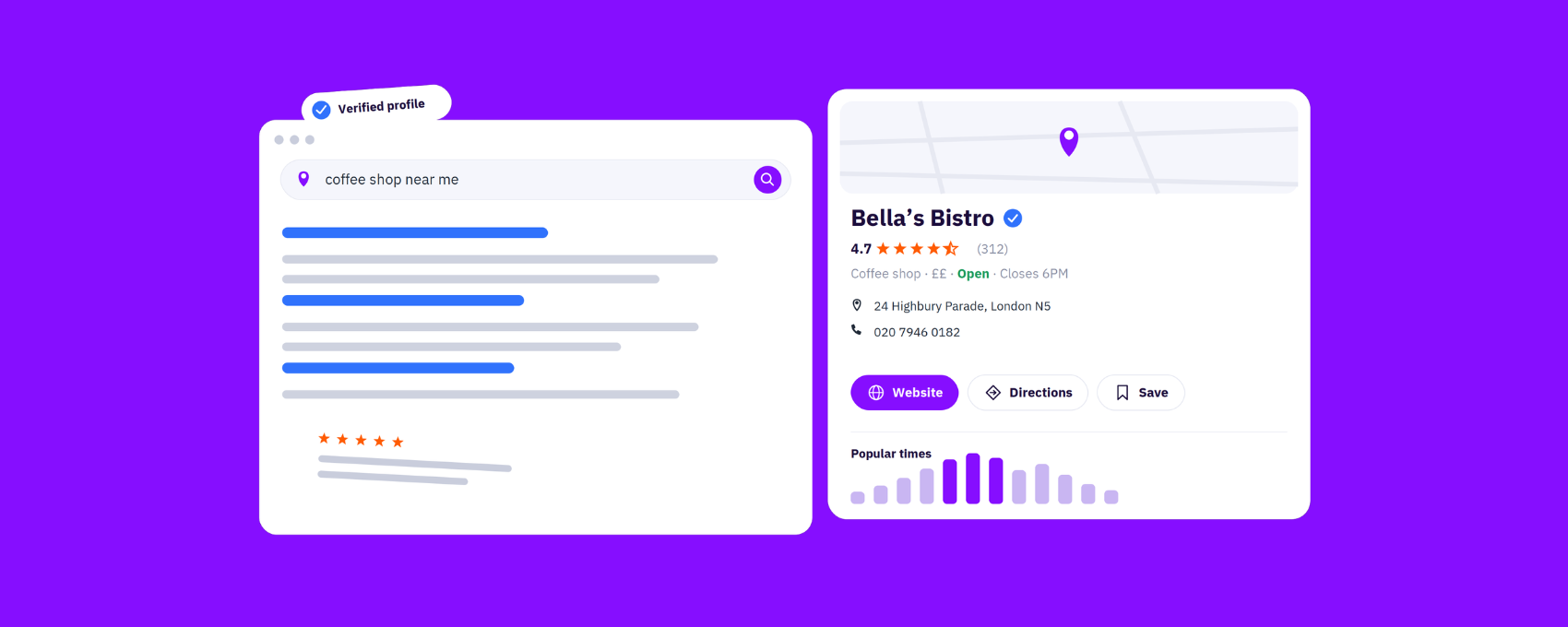
Start by updating your Google Business Profile and Apple Maps listings.
- Keep your hours, address, and contact information accurate
- Highlight holiday hours, pick-up options, and gift card availability
- Add festive photos, special offers, and event posts
Then double-check your presence across other key channels and networks, including:
And don’t forget your own website. Our data shows that 51% of consumers read reviews first, followed by 42% who visit a business’s website. Both are critical trust signals that shape perception and influence intent. If your site is outdated, missing key details, or your reviews send mixed messages, you’ve likely lost a potential customer before they ever walk through the door.
Your website’s location landing pages are especially your digital storefronts. Each one should feature helpful, valuable information for potential customers. This includes up-to-date service information, local promotions, and clear calls to action like “Book online” or “Shop now.”
When your information is accurate and consistent across listings, websites, and review platforms, AI systems are far more likely to reference your business in their summaries — and consumers are more likely to find and choose you in traditional search too. In other words, all that optimization effort pays off twice: once with humans, and once with algorithms.
Seamless Engagement: Be Inspiring, Exciting, and Helpful
Of course — not to be the Grinch or anything — but reach alone doesn’t guarantee influence, as this BCG article critically points out. Impressions and mentions won’t win you customers.
So, while you absolutely must optimize your multi-location business’s visibility, don’t stop there. Because as local marketing analyst Greg Sterling tells us in this Local Marketing Beat podcast episode: “The importance of building a strong brand and a loyal audience has never been greater … Google has the tendency to flatten brands, and AI risks doing that even more.”
How do you build a strong brand? Create seasonal, helpful, and authentic content that reflects the excitement of the season and gives your customers a real sense of what it feels like to buy from or visit you. Do this consistently across your website, socials, and video platforms.
Here are a few ways to make that happen:
- Use natural, conversational language that mirrors how customers actually search — this is especially important if you want to feature in LLMs and Google’s AI Mode.
- Create helpful videos, blog posts, and hyperlocal social campaigns that solve customer needs like “last-minute gift ideas” or “extended return policies.” The more specific and useful, the better.
- Share exclusive offers and experiences, like giveaways, in-store events, or limited-stock alerts to drive excitement and urgency on your socials or business profiles.
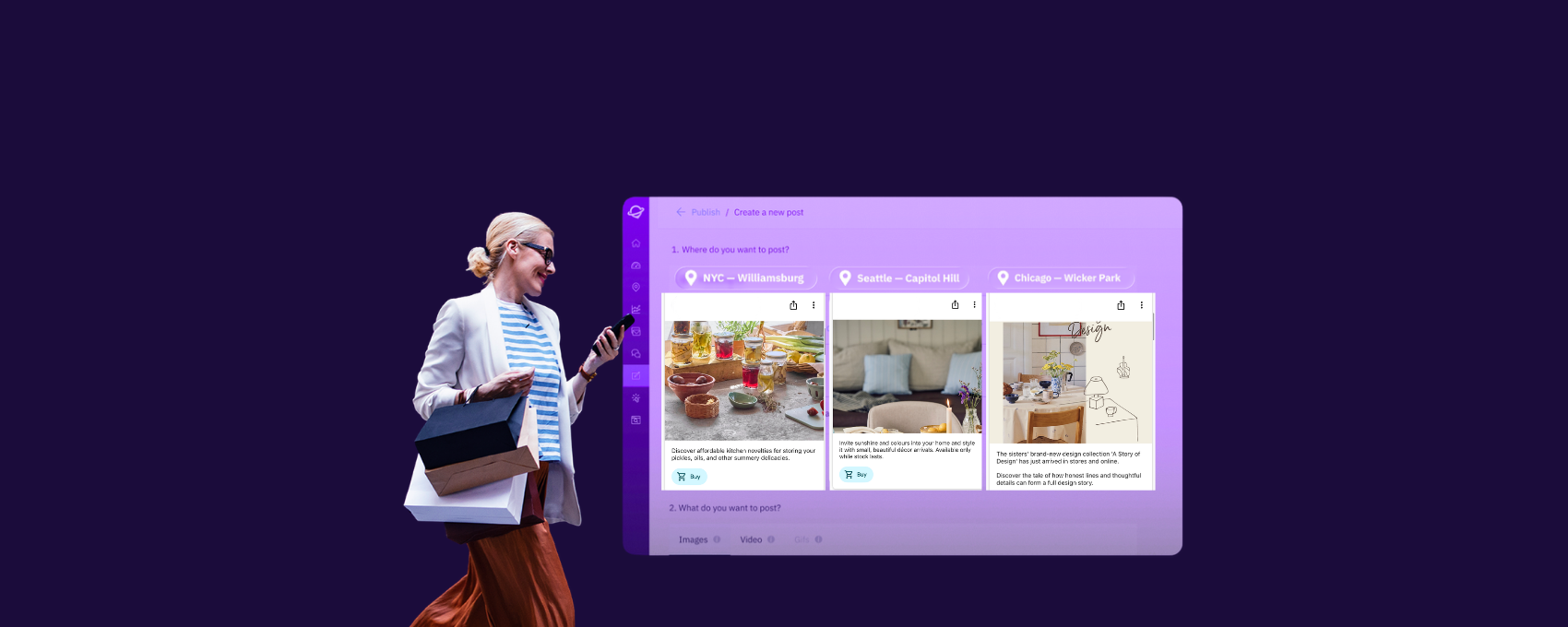
Smart social media management tools can help you save you time by posting simultaneously across platforms and locations, while keeping your tone of voice consistent, engaging, and brand-safe.
These efforts don’t just boost visibility; they build emotional connection and trust between your business, your specific locations, and your customers. And that’s the secret ingredient to repeat visits long after the holiday season ends.
Seamless Conversion and Retention: Make Shopping Effortless
Every click, call, and direction request is a sign of intent — and intent moves fast during the holidays. So, make it as easy as possible to turn that intent into action across your website, socials, and business profiles.
Your website should seal the deal: fast, festive, mobile-friendly, and full of clear next steps like “Reserve a table,” “Get directions,” “Buy a gift card,” “Book now”). Small friction points — like missing prices, unclear return policies, or outdated offers and photos — can turn customers away.
It’s worth it. Our data shows that after a positive experience at a local brick-and-mortar business, 80% of consumers are likely or very likely to return — and only 2% say they are unlikely to return.
So, what makes customers more likely to convert and come back?
- Add clear CTAs for ordering, booking, or reservations. Always link to the correct location page — not your homepage — so customers find what they need instantly.
- Adjust your hours to maximize evening foot traffic in the lead-up to Christmas.
- Keep your website user-friendly with fast load times and simple navigation.
- Post consistently to remind customers you’re active and ready to welcome them.
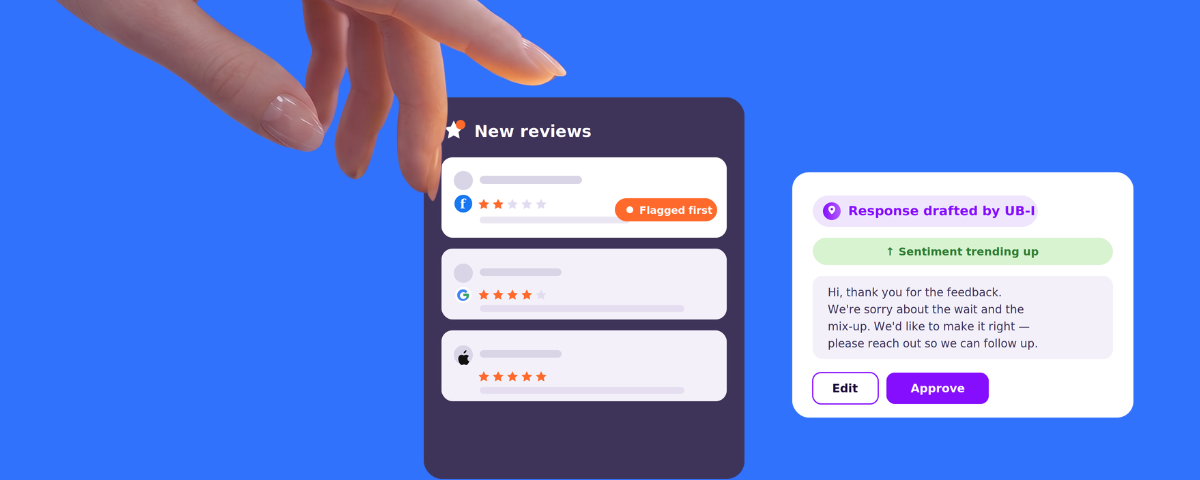
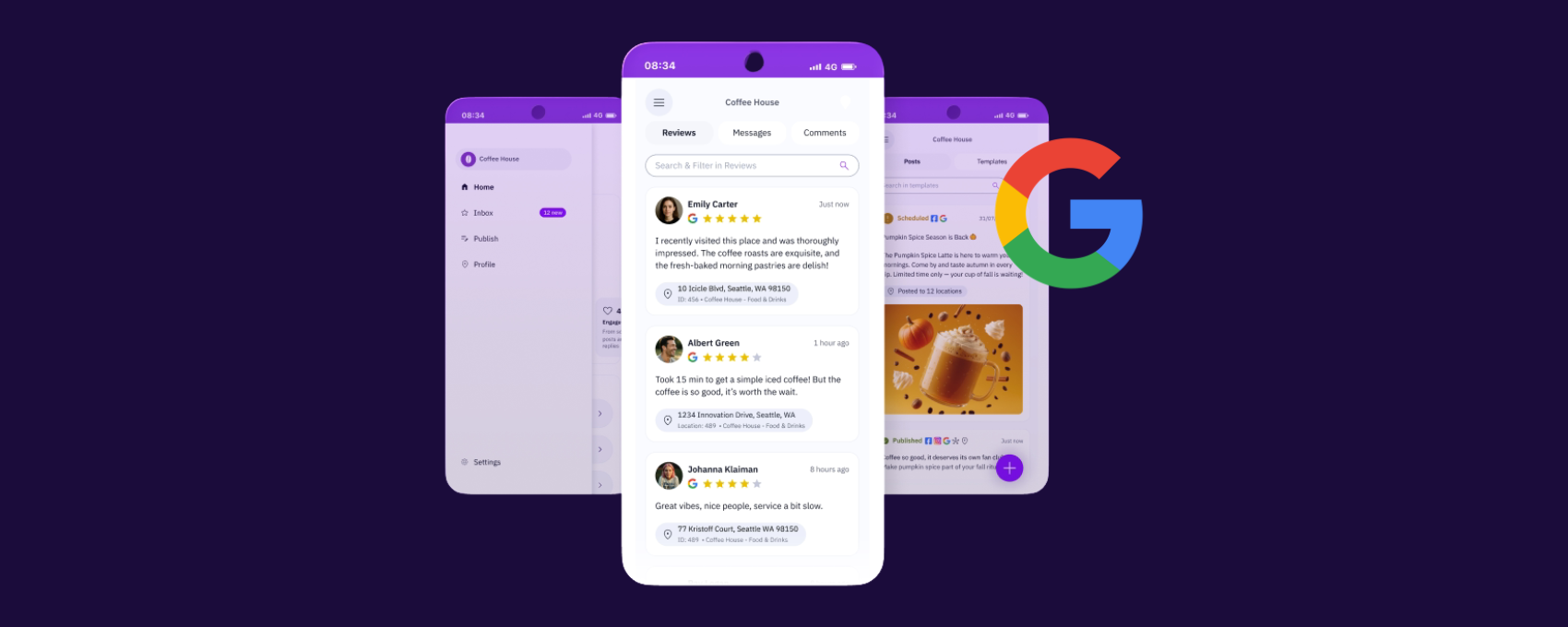
- Request and respond to reviews to show customers that you listen and care.
- Run limited-time or loyalty offers to encourage repeat visits.
Make the experience seamless, memorable, and easy — and customers will not only convert but return again and again.
Bringing It All Together: From Search to Sale
This year, it’s all about creating a seamless omnichannel experience where every touchpoint connects.
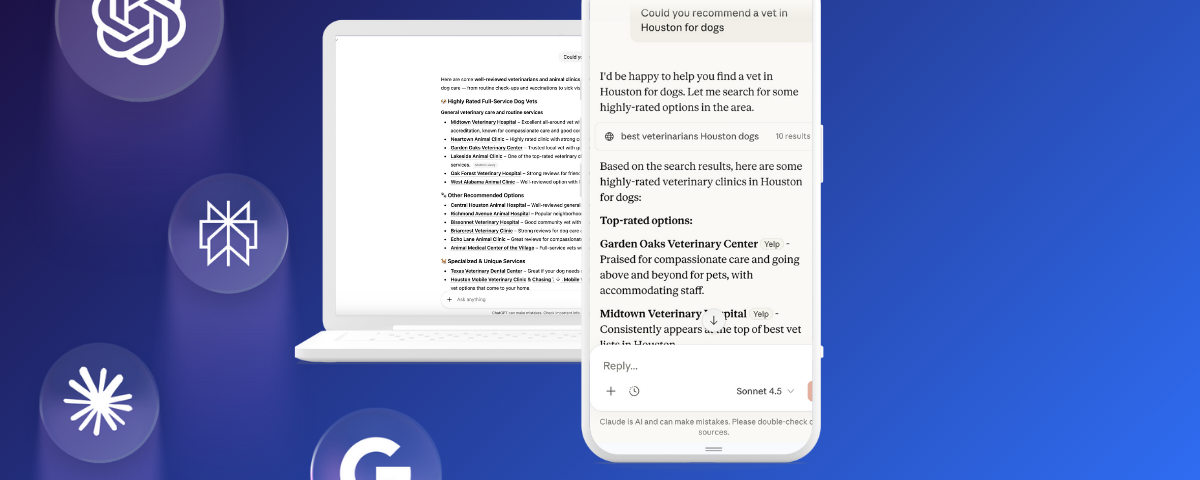
Shoppers will move more fluidly than ever between online and in-person interactions — from Google and ChatGPT to social media and word of mouth.
And while juggling tasks across dozens (or even hundreds) of locations can feel like its own seasonal challenge, remember: Consistency and care always pay off. Make sure your marketing team is adapting just as seamlessly — covering every part of the customer journey, from visibility and reputation to engagement and conversion.
Keep your brand visible, trustworthy, and genuinely helpful all season long, and you’ll carry that momentum well into the new year. Because in the end, that’s what the holidays are really about: connection, joy, and giving customers a reason to come back long after the decorations come down.



1,800 brands trust us to stay visible
— not just show up once or twice in local search.

.png)
