How to Use Reviews to Maximize Reputation and AI Discoverability
Discover how to use customer reviews, boosting your business’s reputation while maximizing your visibility in AI search.



Understanding how to ask customers for reviews — and how to encourage thoughtful, detailed responses — is now a core part of local visibility in AI search.
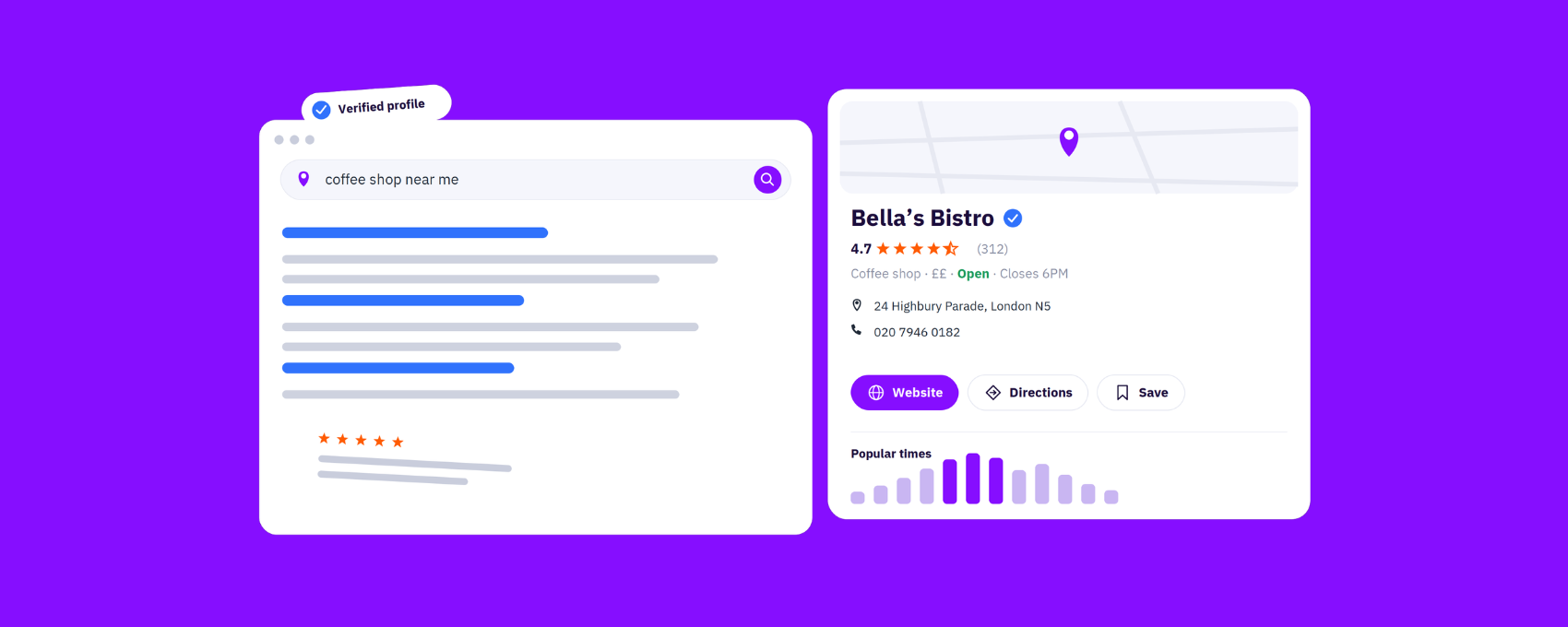
Customer reviews have always been a trust signal for humans, but now they're also influencing how local brands are discovered, perceived, and recommended across Google's Local Pack, traditional organic results, and AI answers. They're nonnegotiable for optimizing your location's performance.
So, if you want potential customers to discover your local brand online, knowing how to get customers to leave reviews — especially reviews with meaningful context — is more than a nice-to-have.
And yet despite their importance, asking customers for reviews remains a major friction point for many businesses. Teams worry about timing, tone, and brand or guideline compliance. Frontline staff often feel uncomfortable asking, marketing teams lack consistency across locations, and leadership hesitates to scale review generation programs for fear of negative feedback.
And that leads to uneven — even stale — review profiles across crucial platforms like Google and Apple, as well as locations that underperform in search despite delivering strong in-store experiences. Here's how to make the process of asking for reviews more authentic and comfortable.
How Do You Ask For Reviews from Customers
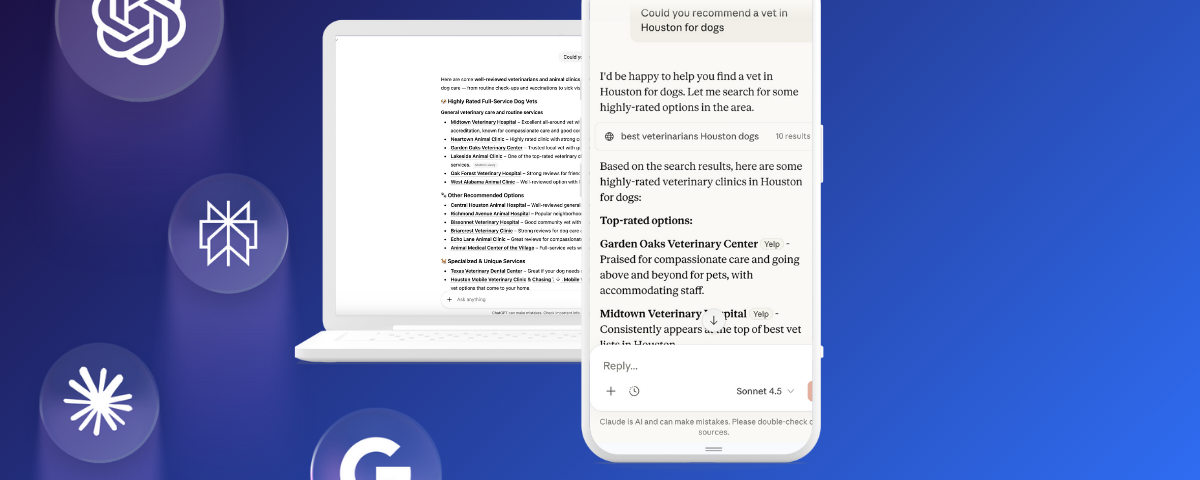
If you're a multi-location brand — or a manager at a specific location — you should start seeing every review as influencing future purchasing decisions and simultaneously shaping how AI systems like ChatGPT and Perplexity perceive your brand.
So, as uncomfortable as it may be — or as high as your workload may be — if you don't ask, you don't get. And if you don't get, you're indisputably missing out on increasing your brand's credibility, context, and authority at the local level.
Knowing how to ask for a review from customers at the right moment can dramatically improve your success rate. A friendly prompt during or shortly after a positive interaction is far more effective than a generic request days later (but still better than nothing). Asking after a purchase, a completed service, or a successfully resolved issue increases both response rates and review quality — especially when customers still remember the details.
In-person interactions lend themselves to polite prompts from your team, printed receipts or cards with QR codes, or even in-store tablets for real-time feedback.
Personalized follow-up emails or SMS messages with a direct review link are also highly effective — commuters often complete these while on the go. For email interactions, you could write something as simple as using the subject line: "We'd Love Your Feedback on Your Recent Purchase" and write something like this in the email body:
Thanks for choosing [Your Business Name]! We hope you had an awesome experience. If you could spare a moment to drop us a quick review, we'd really appreciate it: [Insert Link]. Your feedback helps us get even better for you next time!
I know that this has worked for me. I will happily write reviews when I'm on the go, at the gym, or waiting around for someone because I know it will only take a few minutes.
Social channels are great for inviting customers to share experiences publicly — user-generated photos or videos are especially valuable signals for both humans and AI and are crucial when considering how to ask for good reviews.
The truth is, customers are most likely not going to feel uncomfortable about you asking for a review, since they value reviews highly themselves. They know how critical reviews are for driving local footfall and business.
No matter the channel, the principles of how to ask customers for reviews stay the same:
- Make it personal. Show customers their feedback matters. Make them feel heard, not just prompted.
- Make it simple. Reduce friction with direct links and clear instructions. Maybe give prompts on what you'd like them to review. This helps you get customers to leave reviews efficiently.
- Encourage detail. Ask customers to share what stood out in detailed language, with service-specific mentions, staff names, products — and, when possible, include photos or videos. AI relies on rich, contextual reviews to understand your brand, so detailed feedback directly improves discoverability and recommendation.
- Invite honesty. Authentic feedback builds trust; avoid asking only for perfect ratings because customers usually catch on.
- Incentivize carefully. Small rewards like loyalty points are fine, but never condition them on positive reviews; platform violations can hurt your brand.
Remember, if you're hesitant or feeling shy — or review generation is simply not seen as a priority by other colleagues: Your review strategy is no longer just reputation management; it's an AI visibility strategy.
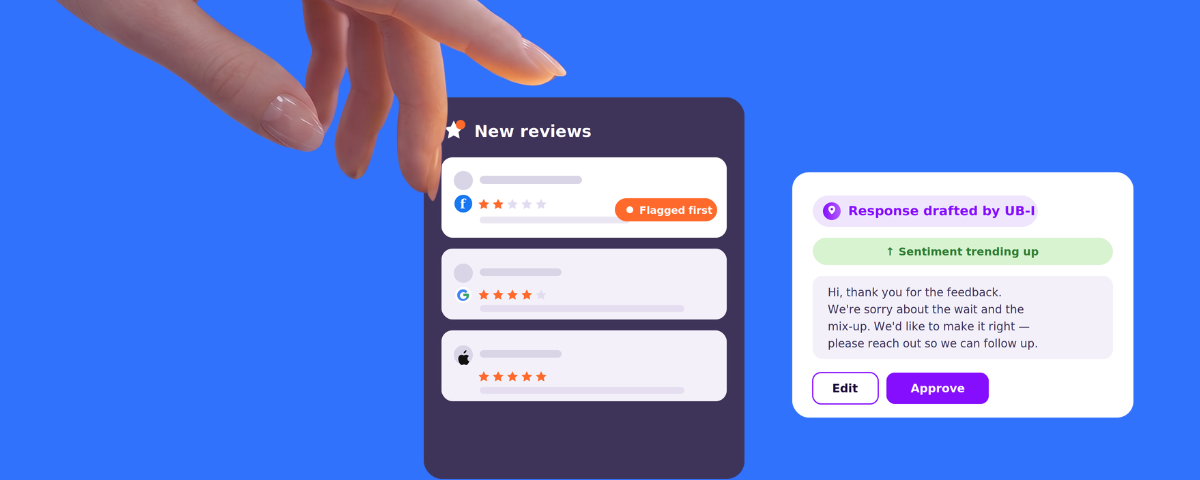
If you find a way to scale this and take it beyond Google — across key review platforms like Yelp, TripAdvisor, and industry-specific sites — you're onto a winner. And once the reviews start coming in, make sure you're ready with review response templates to reply consistently and on-brand.
In a world where an estimated $750 billion in consumer spend will flow through AI search, a steady flow of recent, specific, insightful reviews earns both human trust and AI confidence. It directly impacts whether your locations are surfaced, cited, and chosen when customers ask AI where to go next.
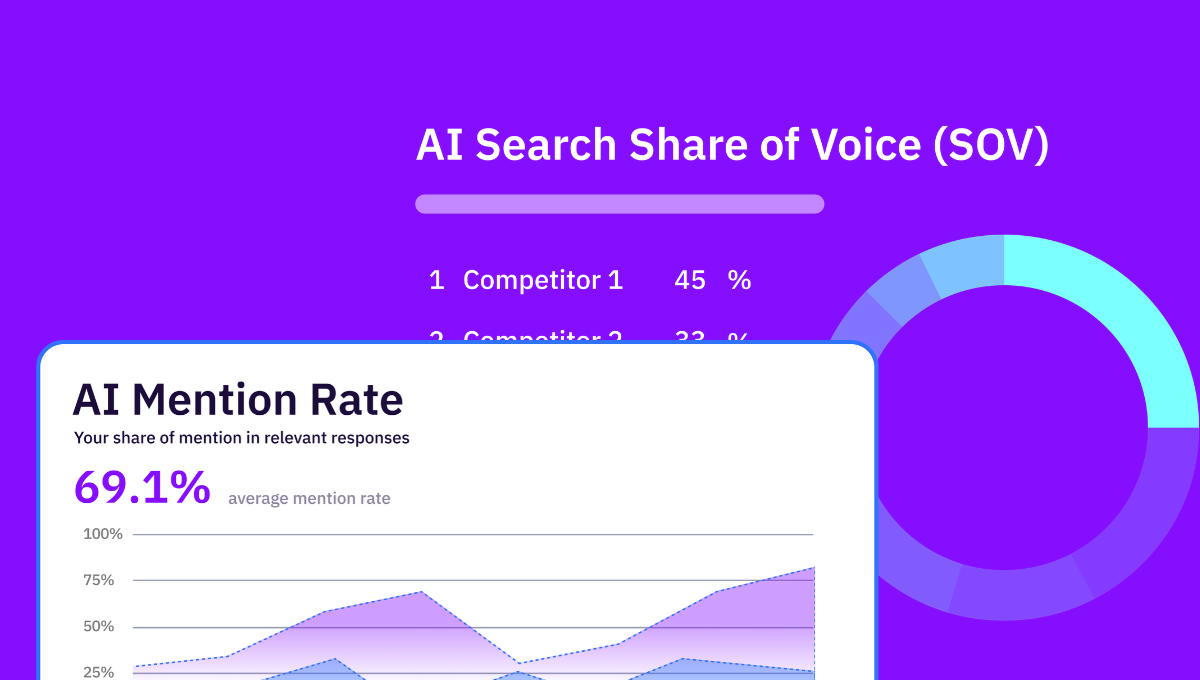
And with our latest tool GEO Studio, you can go beyond just collecting reviews. Track not only customer sentiment but also your mentions, citations, and share of voice across AI platforms — giving you a clear picture of how your review strategy impacts discoverability in real time.
Ask for Reviews — and Ask for Better Reviews!
Brands that understand how to ask for reviews from customers — and consistently ask for detailed reviews across locations — are gaining a headstart over local competitors.
Put yourself in your customers' shoes: Would you choose the local business with a steady stream of recent, insightful reviews and thoughtful owner responses, or the one with outdated feedback, less engagement, and a weaker presence in AI search tools like ChatGPT?


1,800 brands trust us to stay visible
— not just show up once or twice in local search.


.png)
