Local SEO for Charge Point Operators: Best Practices
You want to increase visibility and drive more traffic to your charging locations? Then follow these local SEO best practices from EV market leaders!



Imagine this: an EV driver is running low on charge, urgently searching for a nearby charging station. But when they check Google Maps or their navigation app, your station either doesn’t show up, appears in the wrong location, or lacks key details like pricing and charger availability. Frustrated, they drive to a competitor’s station instead.
This scenario plays out every day, and for charge point operators, it means lost revenue and underutilized infrastructure. If your stations aren’t easy to find online, they might as well not exist. But that’s where local SEO comes in.
In this article, we’ll break down the three key pillars of local SEO for EV charging stations, with real-world success stories from EWE Go, Agrola, and Orlen—showing how they increased station visibility, improved customer engagement, and drove more traffic (literally!) to their locations.
1. Accurate and Comprehensive Business Listings: The Foundation of Local SEO
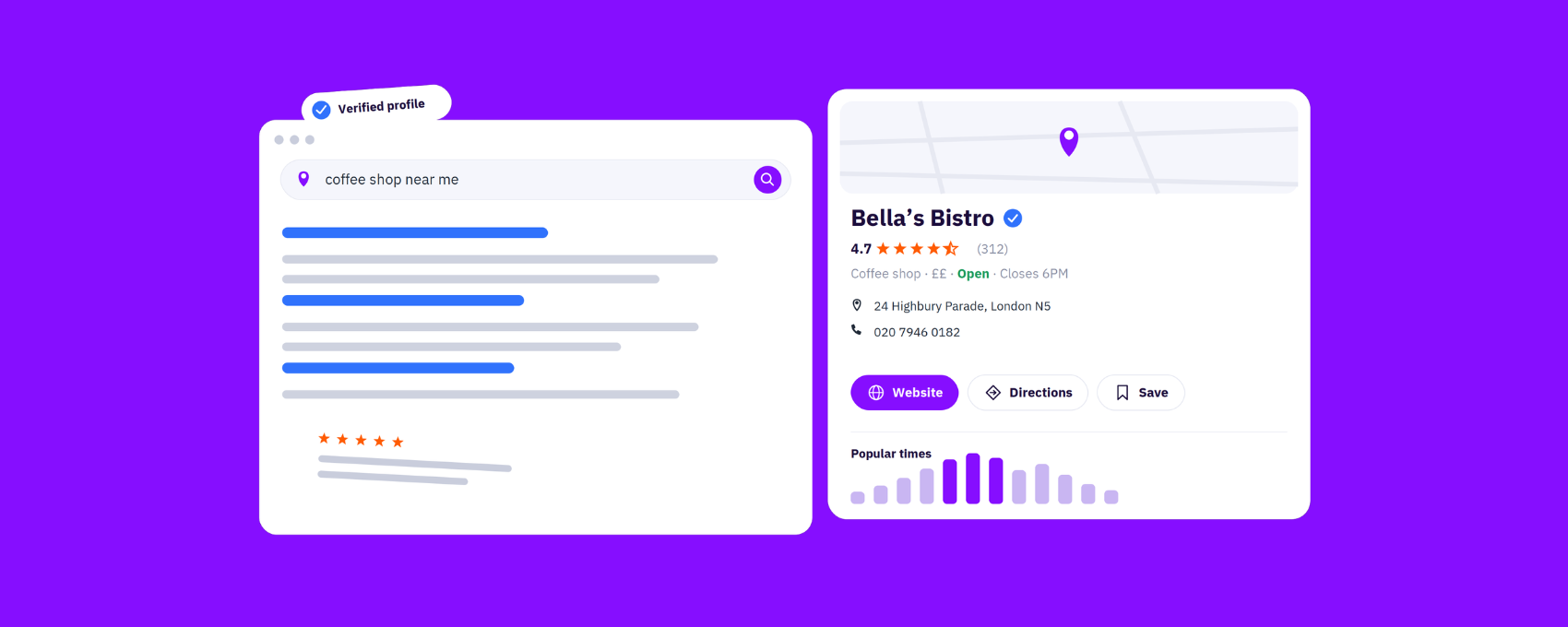
One of the fundamental elements of local SEO is ensuring that business listings are accurate, comprehensive, and up-to-date across all relevant platforms, including Google Maps, Apple Maps, navigation apps, and various EV charging station directories. Without this consistency, drivers may struggle to locate a station or, worse, be directed to a non-functional or non-existent location.
EWE Go Streamlines Discovery with Optimized Listings
EWE Go, a leading CPO in Germany, faced challenges with inconsistent and incomplete location data, which led to driver frustration and lower station utilization. By leveraging a robust listings management strategy, they ensured that each location featured correct details, real-time availability, charging speeds, and seamless navigation links.
Through centralized data management and integration with Google Maps and EV-specific apps, EWE Go significantly improved station discoverability. As a result, their stations saw an increase in traffic, fewer customer complaints about outdated information, and a higher rate of return users. Their success highlights the importance of a strong foundational listings strategy in any local SEO effort.
Key Takeaways:
- Ensure consistent and up-to-date data on all listings across all platforms.
- Integrate real-time availability and charging specifics to improve user experience.
2. Managing Customer Reviews: Enhancing Trust and Engagement
In the digital age, customer feedback plays a critical role in influencing decisions. EV drivers rely on reviews to assess the reliability, speed, and accessibility of charging stations. Actively managing and responding to reviews not only builds trust but also improves rankings in local search results.
AGROLA Drives Customer Engagement Through Review Management
AGROLA, a Swiss energy provider with a growing network of EV charging stations, realized that customer reviews were a powerful tool for both user engagement and SEO. By implementing a structured review management strategy—encouraging satisfied customers to leave feedback and promptly addressing concerns—they improved both their reputation and search rankings.
To make it easy for customers to leave reviews, AGROLA integrated QR codes at each charging station, allowing drivers to quickly provide feedback. They also monitored and responded to reviews in real-time, ensuring customer concerns were addressed promptly. This proactive approach led to a noticeable improvement in overall station ratings and increased customer trust.
In addition, AGROLA’s ability to analyze review sentiment provided them with actionable insights. They identified common pain points such as unclear pricing and charger downtime, allowing them to make targeted improvements. This shows how review management not only strengthens brand credibility but also contributes to better service and improved local search visibility.
Key Takeaways:
- Encourage customers to leave reviews and address concerns promptly.
- Use sentiment analysis to identify pain points and improve service.
3. Optimizing Location Pages: Creating a Seamless User Experience
Beyond business listings and reviews, having well-optimized location pages is essential for providing users with comprehensive information while boosting SEO rankings. These pages should feature critical details such as charging speeds, pricing, real-time availability, payment methods, and additional services available at the location.
Orlen Transforms the Digital Customer Journey with Localized Pages
Orlen, a leading fuel and energy company in Central Europe, revolutionized its approach to online visibility by optimizing its location pages. Previously, customers struggled to find essential information about individual charging stations, leading to lost opportunities and reduced foot traffic.
Orlen revamped its location pages with a user-centric approach, ensuring that every page contained structured data, clear CTAs (such as “Start Charging” or “Navigate Here”), and frequently updated details on station status. They also incorporated customer reviews and FAQs to address common concerns upfront.
By ensuring that their location pages were mobile-friendly and easily accessible via search engines, Orlen not only improved user experience but also increased online visibility. Their pages consistently ranked higher in search results, leading to a measurable increase in charging sessions. This investment in digital accessibility led to increased traffic to their charging stations and reinforced brand trust.
Key Takeaways:
- Optimize local pages with key details, structured data, and mobile-friendly design.
- Incorporate CTAs, reviews, and FAQs to improve user experience and rankings.
Conclusion: A Roadmap to Local SEO Success for EV Charging Stations
For EV charging networks looking to maximize their visibility and drive more users to their stations, local SEO is an indispensable tool. By focusing on three key elements—accurate business listings, proactive review management, and optimized location pages—CPOs can enhance their digital presence and ensure that their stations are easily discoverable by drivers in need.
As competition in the EV charging sector intensifies, those who invest in local SEO will have a distinct advantage in attracting and retaining customers.By adopting EWE Go’s, AGROLA’s and Orlen’s best practices, CPOs can ensure they remain a key player in the rapidly evolving electric mobility landscape.
Do you want to achieve similar (or better) results? Request a demo!



1,800 brands trust us to stay visible
— not just show up once or twice in local search.





.png)
